
B2B importers constantly fall into the trap of negotiating the base ocean rate while ignoring the hidden destination charges. True freight optimization isn't about finding the cheapest slot on a vessel; it is about controlling the total landed cost to your warehouse door. We asked high-volume inventory managers how they expose hidden fees and force true apples-to-apples comparisons from their freight forwarders.

Lesley Upton
Manager of Inventory Control at King of Floors"Switching our quoting from 'all-in to Vancouver' to 'component-based to our door' gave us immediate, measurable results. We use this to force apples-to-apples comparisons between forwarders—breaking out ocean, BAF/CAF, origin THC, destination terminal, local delivery, and crucially, demurrage/free-time terms. On our biggest European laminate lane, this visibility dropped our landed freight cost by 9-12%. The 'cheapest' ocean rate is almost always hiding expensive destination charges and weak free time. Never negotiate just the ocean rate; negotiate the itemized invoice you actually pay."
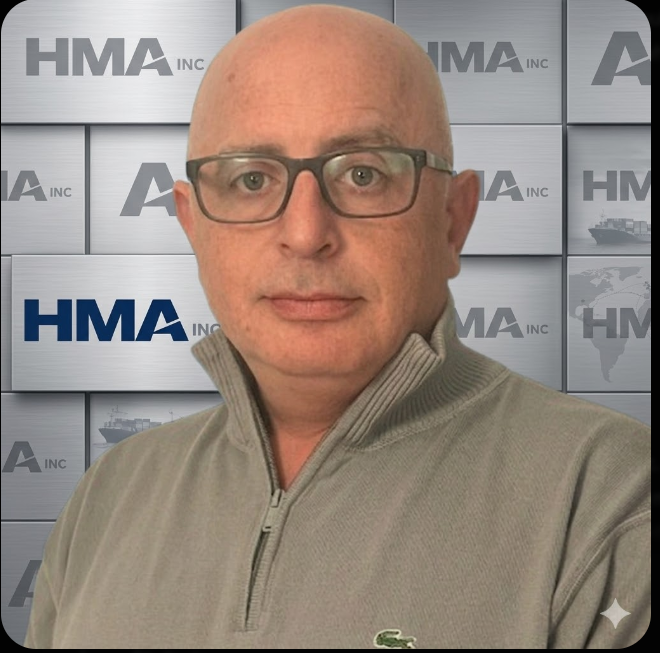
Areg Dadashyan — Operator's Take
Lesley is exposing the oldest trick in the freight forwarding playbook. Shippers get lured in by a rock-bottom base rate, only to get bled dry by origin THC, chassis split fees, and predatory demurrage terms when the container hits the port. If your forwarder refuses to provide a component-based breakdown to your door, they are hiding margin. Demand transparency.