Areg Dadashyan

Demystifying Ocean Freight: Why Component-Based Quoting Beats “All-In” Rates

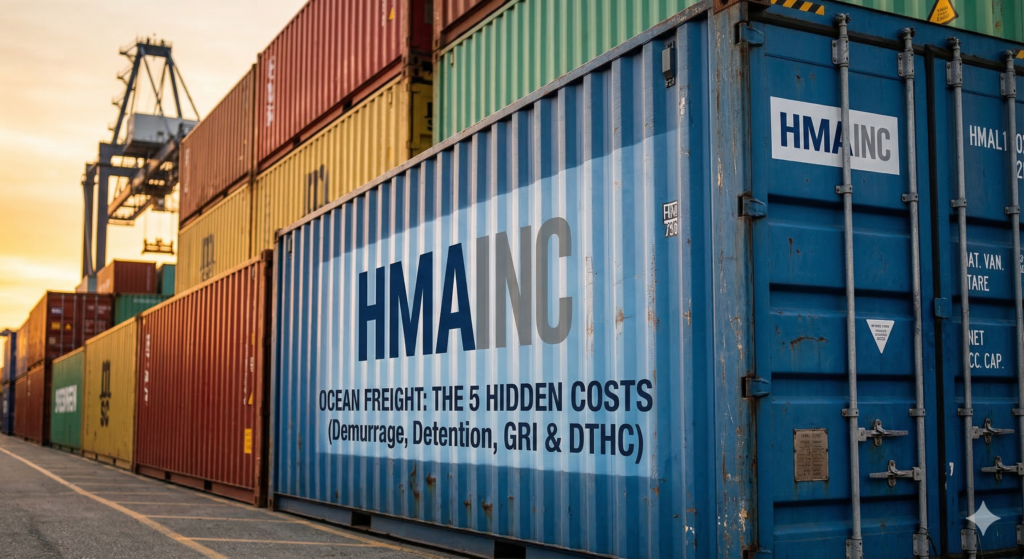
B2B importers constantly fall into the trap of negotiating the base ocean rate while ignoring the hidden destination charges. True freight optimization isn’t about finding the cheapest slot on a vessel; it is about controlling the total landed cost to your warehouse door. We asked high-volume inventory managers how they expose hidden fees and force […]

Demystifying Ocean Freight: Why Component-Based Quoting Beats “All-In” Rates Read More »
Transpacific Freight: Overcoming Hidden Supply Chain Challenges in 2026

Anh Ly Founder & CEO of Mim Concept “Small discrepancies in estimated weight and packaging specs at the factory level will snowball into massive billing and inventory errors once a container lands in North America. We solved this by treating freight dimensioning as a core part of the product design process, rather than a last-minute

Transpacific Freight: Overcoming Hidden Supply Chain Challenges in 2026 Read More »

Execution Strategies: How B2B Operators are Reducing Freight Costs in 2026

Joe Spisak CEO of Fulfill.com “Stop treating air freight as a binary choice. Many brands default to it simply to mask warehouse inefficiencies. We audited an e-commerce client burning $47 per shipment on next-day air, only to find that 68% of their customers lived within a two-day ground transit zone. By shifting to a ‘zip-code

Execution Strategies: How B2B Operators are Reducing Freight Costs in 2026 Read More »

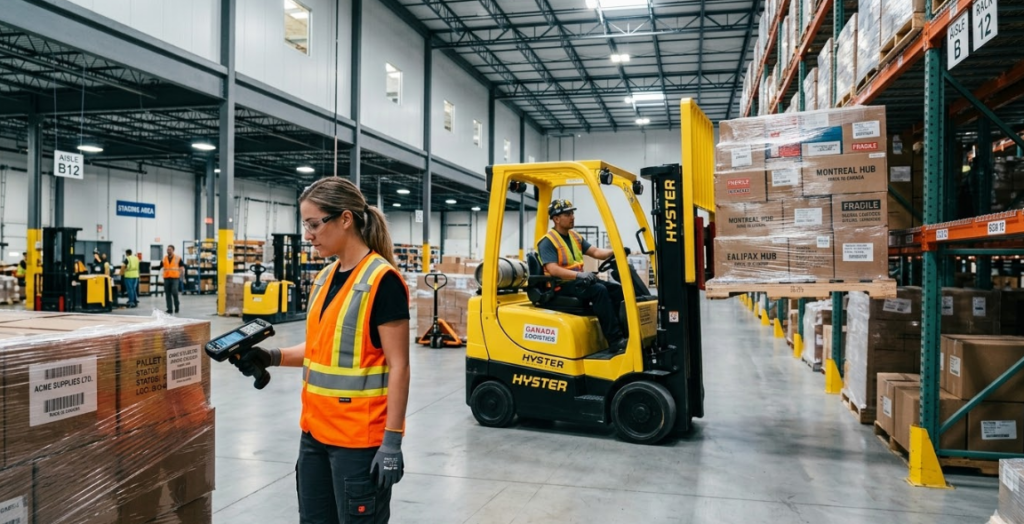
Canadian warehouse operator scanning a consolidated LCL pallet to reduce shipping costs.

The 2026 B2B Guide to Reducing LCL Shipping Costs.

Logistics Strategy The 2026 B2B Guide to Reducing LCL Shipping Costs in Canada Operational Expertise by HMA Logistics Operations In the high-interest-rate environment of 2026, inventory velocity is cash flow. Canadian importers are increasingly utilizing Less-than-Container Load (LCL) shipping to maintain stock agility without freezing working capital in massive Full Container Load (FCL) orders. However,

The 2026 B2B Guide to Reducing LCL Shipping Costs. Read More »

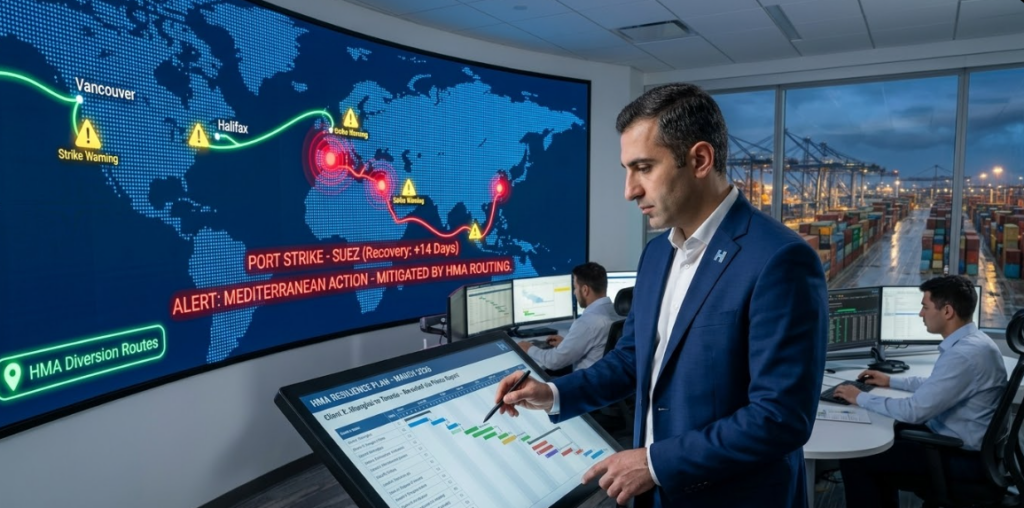
Areg Dadashyan, CEO of HMA Inc., utilizes a digital command center in March 2026 to execute tactical rerouting, bypassing global port strikes and Mediterranean disruption with data-driven resilience mapping.

Port Resilience

CURRENT STATUS (MARCH 2026): “Maximum Disruption” alert in effect for Middle Eastern hubs. Mediterranean ports entering recovery phase. Navigating Port Strikes and Delays: A 2026 Resilience Guide In the first quarter of 2026, the global logistics community has been reminded that a ‘one-day stoppage’ creates a multi-week recovery curve. Between the coordinated dockworker actions across

Port Resilience Read More »

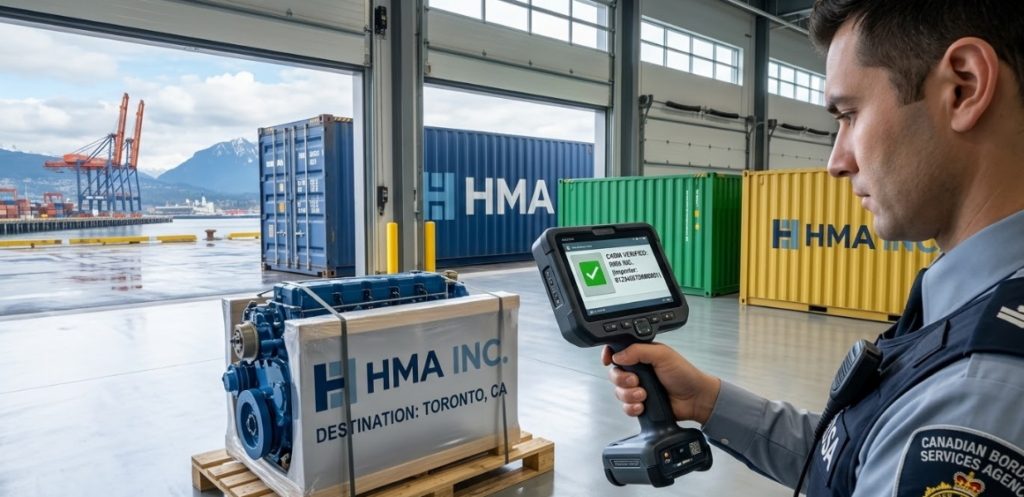
A Canadian Border Services Agency (CBSA) officer utilizing a handheld scanner to verify 'HMA Inc. CARM Status' on an industrial shipment, illustrating digital customs compliance in Vancouver for 2026.

Understanding Canadian Customs: CARM Compliance for 2026

2026 REGULATORY ALERT Understanding Canadian Customs: CARM Compliance for 2026 As of March 2026, the CBSA Assessment and Revenue Management (CARM) project has completely transformed how goods enter Canada. For importers, the transition from paper-based processes to a fully digital “Client Portal” is no longer optional—it is a requirement for survival in the global supply

Understanding Canadian Customs: CARM Compliance for 2026 Read More »

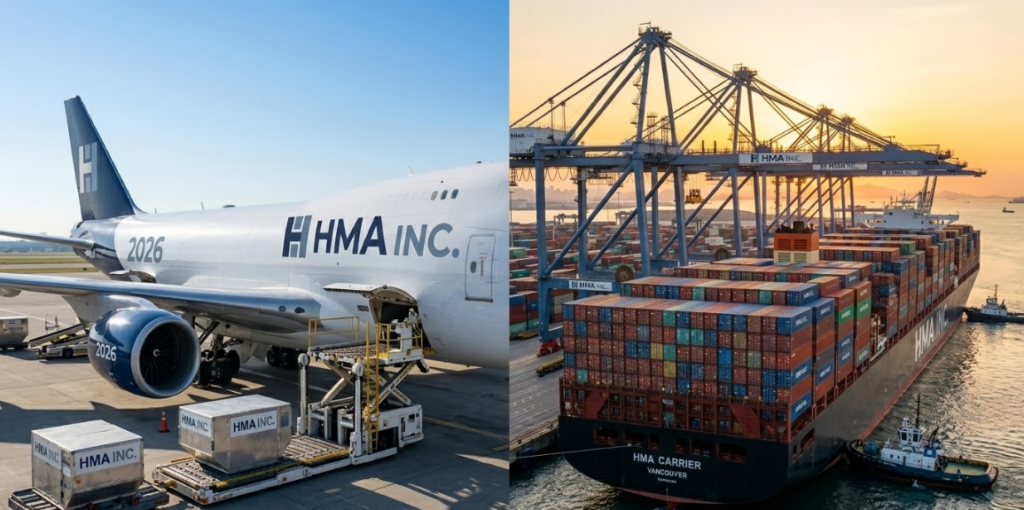
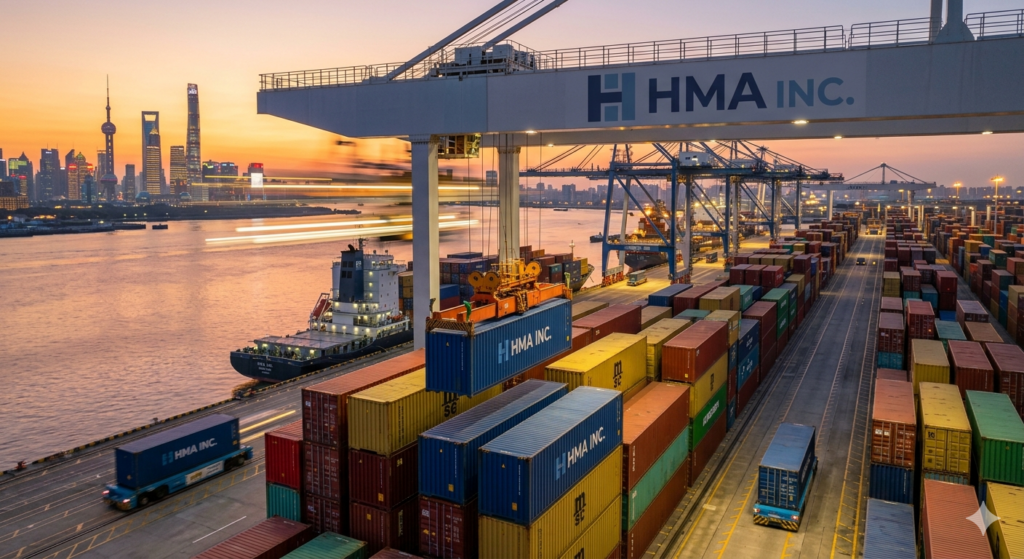
HMA Inc. container ship transit from Shanghai to Vancouver showing 2026 ocean freight routes

Shipping from China to Canada: The 2026 Strategic Guide

Global Shipping Guides Shipping from China to Canada: The 2026 Strategic Guide Expertise by Areg Dadashyan | CEO at HMA Inc. In early 2026, the transpacific trade lane has entered a unique phase. With massive vessel overcapacity and shifting demand, the market has become a ‘buyer’s market.’ However, lower rates don’t always mean a smoother

Shipping from China to Canada: The 2026 Strategic Guide Read More »

Scroll to Top